
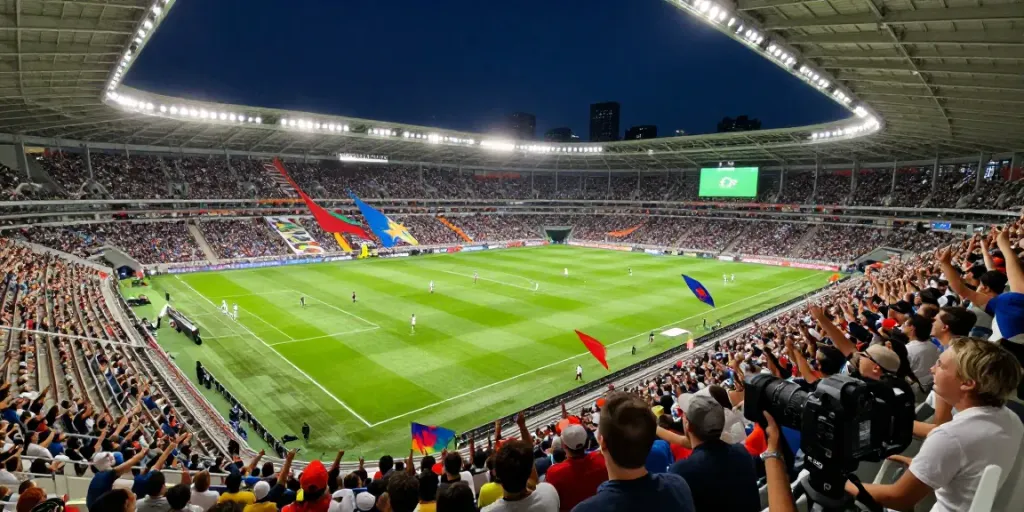
The Importance of Tracking TOP10สนาม Metrics
Understanding the performance of football stadiums is crucial for teams, investors, and fans alike. In an era where data drives most decisions, tracking key metrics related to stadiums can significantly influence operations and enhance the overall fan experience. Metrics such as attendance, revenue generation, and technological advancements play pivotal roles in shaping the football landscape of 2026. When exploring options, TOP10สนาม provides comprehensive insights that can help stakeholders make informed choices.
Understanding the Value of Stadium Metrics
Tracking stadium metrics is essential for evaluating performance and understanding fan engagement. These metrics provide insights into how effectively a stadium serves its purpose and how it adapts to changing trends in sports consumption. For instance, metrics like attendance and concession sales can reveal much about the fan experience and the stadium's operational success. By analyzing these numbers, teams can identify strengths and weaknesses, enhancing both financial performance and fan satisfaction.
Key Metrics Every Football Fan Should Know
- Attendance Rates: This metric indicates how many fans are engaging with live matches, reflecting both the popularity of teams and the effectiveness of marketing strategies.
- Revenue per Game: Understanding the financial returns from each match helps that teams evaluate their pricing strategies for tickets and concessions.
- Fan Engagement Levels: Metrics such as social media interactions or participation in stadium events indicate how well a team connects with its fan base.
- Technology Utilization: Assessing how technology such as mobile apps or loyalty programs enhance the fan experience can be a game changer for stadium operations.
How Metrics Impact Team and Fan Engagement
Effective use of stadium metrics can enhance the connection between teams and their fans. By closely monitoring attendance figures and fan feedback, teams can implement changes that cater directly to their supporters' needs. For instance, if attendance drops, the team may consider promotional offers or community outreach initiatives to boost engagement. Furthermore, understanding fan demographics can aid in tailoring marketing strategies that resonate more effectively, ensuring a more robust attendance rate.
TOP10สนาม Overview: What Makes a Great Stadium?
A great stadium combines architectural brilliance with fan-centric design to create an unforgettable experience. The best stadiums not only focus on aesthetic appeal but also prioritize functionality, technological integration, and comfort. Understanding what makes a stadium great is crucial for stakeholders in the football industry, as it significantly impacts fan satisfaction and revenue generation.
Design Elements of Successful Stadiums
Design plays a central role in the overall success of a stadium. Elements such as seating capacity, sightlines, and acoustics must be optimized to enhance the spectator experience. An effective stadium design also incorporates amenities such as restrooms, food vendors, and accessibility features that cater to all fans. The layout should facilitate easy movement within the stadium to avoid congestion and maximize enjoyment during events.
Fan Experience and Comfort Considerations
Creating a comfortable environment is essential for enhancing fan experience. This includes considerations such as seat quality, climate control, and access to amenities. Implementing features such as wider aisles and comfortable seating can encourage fans to attend more games. Additionally, providing high-quality food and beverage options significantly impacts fan satisfaction, making them more likely to return for future events.
Technological Integrations in Modern Stadiums
Technology has revolutionized stadium experiences by enhancing connectivity and engagement. Features such as high-speed Wi-Fi, mobile app integration, and digital ticketing streamline operations and improve fan interaction. Furthermore, incorporating augmented reality (AR) or virtual reality (VR) experiences can create immersive environments that captivate fans both inside and outside the stadium. Such advancements not only improve the experience on match days but also increase the stadium's appeal for non-game day events.
Analyzing Attendance Trends in TOP10สนาม
Understanding attendance trends is crucial for improving overall stadium performance. By analyzing historical data and current patterns, teams can forecast future attendance and make informed decisions regarding marketing and operational strategies. Predictive analytics is increasingly being utilized to enhance these evaluations, making it easier to understand which factors contribute to higher attendance rates.
Factors Influencing Game Attendance
Several factors influence attendance at football matches, ranging from team performance and star player presence to external conditions like weather and competing events. For instance, a team's successful season typically correlates with higher attendance rates. Similarly, promotional events or discounts can draw in larger crowds, especially for less popular matches.
Predictive Models for Future Attendance
Employing predictive models allows teams to anticipate attendance fluctuations based on various metrics. By analyzing historical attendance alongside current trends—such as social media engagement and ticket sales—teams can proactively implement strategies to attract more fans. Data-driven decisions can be particularly effective in optimizing marketing campaigns that resonate with target audiences.
Comparing Attendance Across Different Leagues
Comparative analysis of attendance across leagues offers valuable insights into how different teams and stadiums perform. Such metrics can highlight the influence of regional demographics, team branding, and rivalry games on fan turnout. By understanding these dynamics, teams can better tailor their strategies not just at the local level, but also in the context of national and international competition.
Revenue Generation Metrics for TOP10สนาม
Maximizing revenue is critical for the sustainability of stadium operations and the broader football ecosystem. By analyzing revenue streams effectively, teams can identify new opportunities for growth while optimizing existing ones. Understanding the various avenues through which stadiums generate income is essential for maintaining financial viability.
Key Revenue Streams for Stadium Operations
- Ticket Sales: This remains the primary source of revenue for most stadiums. Analyzing ticket pricing strategies and sales trends can reveal potential areas for increasing revenue.
- Concessions: Food and beverage sales contribute significantly to overall revenue, particularly during high-attendance events.
- Merchandise Sales: Selling team merchandise not only generates income but also promotes team loyalty.
- Corporate Sponsorships: Partnering with corporations can lead to substantial revenue through advertising and promotions.
Impact of Concessions and Merchandising
Concessions and merchandising play a crucial role in enhancing the fan experience while also serving as significant revenue generators. Offering diverse food and beverage options can improve satisfaction, encouraging fans to spend more during events. Moreover, strategically placed merchandise shops can enhance sales, especially when they feature limited-edition items or exclusive products available only at the stadium.
Analyzing Ticket Sales and Pricing Strategies
Effective ticket pricing is essential for maximizing attendance and revenue. Teams must continually analyze market conditions and competitor pricing to find the optimal balance between affordability and profitability. Dynamic pricing models, which adjust based on demand, can also be beneficial—enabling teams to capitalize on high-demand situations while remaining competitive in their offerings.
Future Trends in Stadium Development
The landscape of stadium design and operations is continually evolving. With emerging technologies and changing consumer preferences, teams must adapt to remain relevant. By keeping an eye on future trends, teams can ensure that their facilities meet the expectations of modern fans.
Emerging Technologies Shaping Stadium Design
Innovative technologies are revolutionizing stadium design and functionality. Features such as enhanced sound systems, mobile connectivity, and interactive displays are becoming standard expectations for fans. Furthermore, the integration of IoT devices can provide real-time data, improving operational efficiency and fan experiences.
Environmental Considerations for New Stadiums
As sustainability becomes increasingly crucial, new stadium developments must prioritize environmental responsibility. Utilizing eco-friendly materials, energy-efficient systems, and water conservation strategies can not only reduce the carbon footprint but also attract environmentally-conscious fans. Incorporating green spaces and natural light can enhance the aesthetic appeal while aligning with modern values.
Predictions for the Football Stadium Landscape in 2026
By 2026, the football stadium landscape is expected to feature highly adaptive designs that cater to diverse audiences. Stadiums will likely incorporate advanced technologies to enhance spectator experiences while integrating community spaces for events outside of football. As fan expectations continue to evolve, venues must also embrace flexibility to host a variety of events, ensuring relevance in the changing entertainment landscape.
What are the top metrics for evaluating football stadiums?
Top metrics include attendance rates, revenue per game, fan engagement levels, and technology utilization. Each of these factors provides critical insights necessary for evaluating stadium performance and making informed business decisions.
How do stadium designs enhance fan experience?
Effective stadium designs focus on comfort, accessibility, and amenities, resulting in a more enjoyable experience for fans. Features such as comfortable seating, ample restrooms, and diverse food options significantly enhance the overall visit.
What trends should we anticipate in stadium revenue in 2026?
Expect to see growth in revenue from digital engagement and non-game day events, alongside traditional ticket sales. A greater emphasis on corporate partnerships and unique fan experiences will also shape revenue strategies moving forward.
How does attendance impact team performance within stadiums?
Higher attendance correlates with better team performance due to increased fan support and atmosphere. This dynamic can boost player morale and create a challenging environment for visiting teams.
What technological advancements are influencing stadium architecture?
Smart technologies, such as IoT, enhance stadium architecture by improving functionality and fan engagement. Features like augmented reality experiences and mobile connectivity are redefining how fans interact with their surroundings in a stadium setting.