Understanding Custom Water Treatment Equipment
The landscape of water treatment is evolving rapidly, necessitating tailored solutions to meet the diverse needs of various industries. Custom Water Treatment Equipment stands at the forefront of this evolution, providing adaptable and efficient systems designed to address the unique challenges faced by sectors such as chemical processing, food and beverage, textiles, and municipal water treatment. The ability to customize water treatment solutions not only enhances operational efficiency but also ensures compliance with stringent environmental regulations.
What is Custom Water Treatment Equipment?
Custom water treatment equipment refers to systems and components tailored to specific water quality requirements and processing needs. Unlike off-the-shelf solutions, these systems are designed with flexibility in mind, allowing for modifications based on the specific characteristics of the water being treated, the contaminants present, and the intended end-use of the water. This adaptability is crucial in industries where water quality is paramount and regulations are increasingly stringent.
Key Components of Modular Water Systems
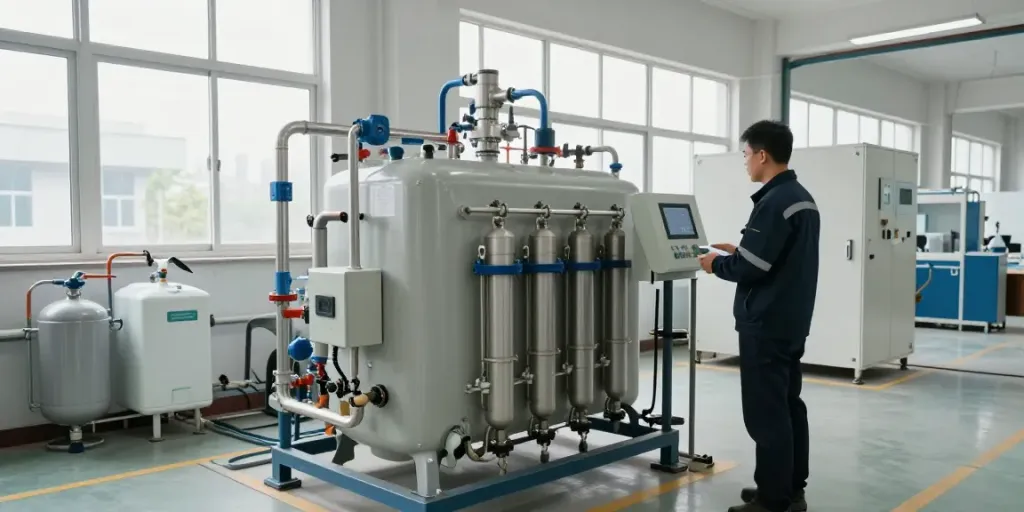
Modular water systems usually consist of several interconnected elements, allowing for scalable solutions that can be adjusted to meet changing demands. The key components typically include:
- Filtration Units: Essential for removing particulates, sediments, and certain chemicals.
- Membrane Technologies: Used for advanced filtration processes such as reverse osmosis and nanofiltration.
- Pumping Systems: Ensure adequate flow rates and pressures throughout the treatment process.
- Control Systems: Monitor and manage system performance through automated processes and sensors.
- Chemical Dosing Systems: Integrate precise chemical dosing capabilities to treat water effectively.
The Importance of Customization in Water Treatment
The significance of customization in water treatment cannot be overstated. Every industry has unique water treatment requirements dictated by the specific applications and the quality standards they must meet. Custom solutions facilitate the alignment of treatment technologies with operational goals, ensuring efficiency and regulatory compliance while minimizing environmental impacts.
Applications of Custom Water Treatment Equipment
Industrial Applications and Sector Needs
From manufacturing and food processing to pharmaceuticals and textiles, custom water treatment equipment is integral to various sectors. Each industry presents distinct challenges:
- Chemical Manufacturing: Requires robust systems capable of handling corrosive substances and ensuring safe disposal of by-products.
- Food and Beverage: Must adhere to strict hygiene standards, necessitating purification processes that eliminate pathogens.
- Textile Industry: Often utilizes large volumes of water and requires treatment solutions for dye-laden effluents.
- Municipal Water Systems: Must cater to public health standards, requiring extensive monitoring and treatment capabilities.
Containerized Water Treatment Solutions
Containerized water treatment systems provide a highly portable and efficient solution for water treatment needs in remote or temporary locations. These pre-engineered systems are designed to fit within shipping containers, ensuring ease of transport and rapid deployment. They are particularly beneficial in disaster relief situations or areas lacking established water infrastructure.
Custom Solutions for Municipal Water Systems
Municipalities face the challenge of providing safe drinking water to their communities while meeting strict regulatory requirements. Custom water treatment solutions are vital in this context, allowing for:
- Tailored Filtration Systems: Designed to address specific contaminants detected in the municipal water supply.
- Advanced Disinfection Methods: Such as ultraviolet light and ozonation to ensure pathogen-free water.
- Real-time Monitoring: Implementing smart sensors to continuously assess water quality and system performance.
Benefits of Choosing Custom Water Treatment Equipment
Efficiency and Cost-Effectiveness
One of the primary advantages of custom water treatment equipment is its efficiency. Tailoring systems to specific needs reduces waste and optimizes resource usage, directly impacting operational costs. By employing methods that address particular challenges faced by an industry, companies can significantly decrease both energy and water expenditure.
Scalability for Diverse Projects
Custom solutions provide the scalability needed to adapt to changing project requirements. As a business grows or projects expand, modular water systems can be resized or reconfigured without requiring a complete overhaul of existing systems. This flexibility can be vital for industries where demand fluctuates unpredictably.
Enhanced Compliance with Environmental Standards
With an increasing emphasis on sustainability and environmental protection, custom water treatment equipment helps companies ensure compliance with local and international environmental regulations. Tailored solutions can effectively address specific contaminants, minimizing environmental impacts and supporting corporate sustainability goals.
Integration of Technology in Custom Water Treatment Equipment
Innovative Chemical Dosing Systems
Modern water treatment processes increasingly rely on sophisticated chemical dosing systems to maintain optimal water quality. These systems use advanced sensor technologies and control algorithms to ensure precise chemical delivery, making them indispensable for effective treatment and compliance with safety regulations.
Smart Sensors and Automation
The integration of smart sensors and automation in custom water treatment equipment enhances operational efficiency and monitoring capabilities. These technologies allow for real-time data collection, enabling operators to make informed decisions based on up-to-the-minute water quality assessments.
Data Analytics and Performance Monitoring
Adopting data analytics tools in water treatment processes paves the way for advanced performance monitoring. By analyzing performance data, companies can identify trends, predict equipment failures, and optimize operations for maximum efficiency. This proactive approach not only enhances performance but also reduces maintenance costs.
Future Trends in Custom Water Treatment Solutions
Predicted Advances for 2026 and Beyond
As we look to the future, several trends are anticipated to shape the landscape of custom water treatment solutions:
- Increased Automation: Further integration of AI and machine learning to enhance system efficiency and predictive maintenance.
- Sustainable Practices: More emphasis on eco-friendly chemicals and processes that minimize environmental impact.
- Circular Economy Approaches: Technologies focused on water reuse and resource recovery will gain traction.
Regulatory Changes Impacting Custom Solutions
Future regulatory changes regarding water quality and environmental protection will necessitate continued innovation and adaptation in custom water treatment solutions. Companies must stay informed and ready to comply with evolving standards that aim to protect public health and the environment.
Sustainable Practices in Water Treatment Technologies
As the global focus shifts towards sustainability, water treatment technologies are expected to evolve. There will be a stronger emphasis on using renewable energy sources, reducing waste, and improving the efficiency of water use. Custom water treatment solutions will need to incorporate these sustainable practices to remain competitive and compliant.