The Evolution of Cocktail Crafting
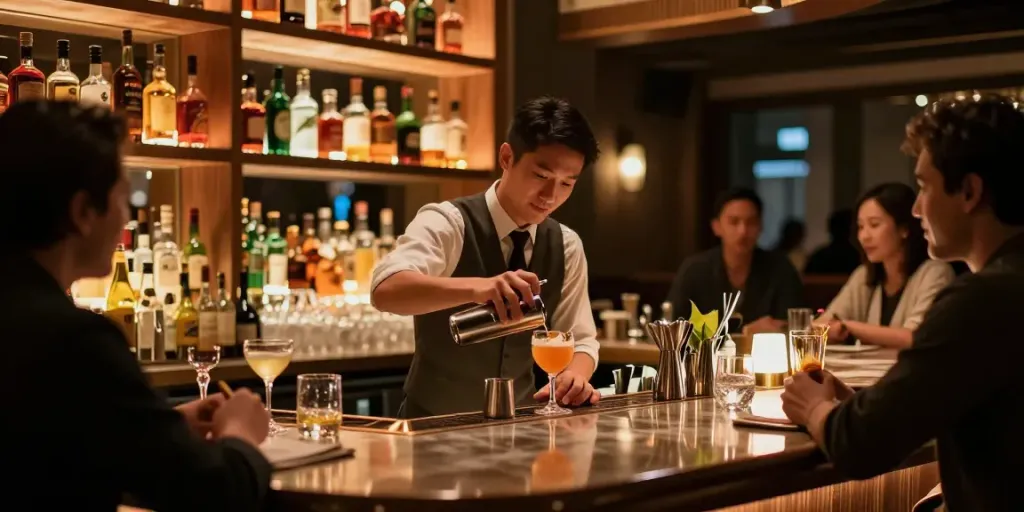
The art of cocktail crafting has witnessed a remarkable evolution over the past few decades. As consumers become more discerning, the demand for innovative and meticulously prepared beverages has surged. This transformation is not just a trend; it's a movement that has shaped the landscape of mixology. Understanding these changes is crucial for both budding bartenders and seasoned professionals alike. When exploring options, had me going with the sweeping changes in this vibrant industry, which reflect broader cultural shifts and advancements in gastronomy.
Historical Perspectives on Mixology
Mixology has roots that stretch back centuries, with evidence of alcoholic beverages being mixed for both functional and celebratory purposes. The origins of cocktails can be traced to the early 19th century, where the term was popularized in print. The iconic bartender Jerry Thomas, often referred to as the father of American mixology, published his cocktail book in 1862, laying the groundwork for modern cocktail culture. With the advent of Prohibition in the 1920s, bartenders became clandestine artists, using creativity to craft drinks that masked the taste of poorly made spirits. This dark chapter ultimately led to a renaissance of cocktail culture in the latter half of the 20th century, culminating in today's sophisticated mixology scene.
Trends Shaping 2026 Cocktails
As we dive into 2026, several key trends are shaping the cocktail landscape. From the rise of low-ABV (alcohol by volume) beverages to the increasing importance of sustainability, these trends represent a significant shift in consumer preferences:
- Low-ABV Cocktails: The demand for healthier drinking options has led to a surge in low-ABV cocktails that offer depth of flavor without the heavy intoxication.
- Sustainability: Bartenders are adopting sustainable practices by sourcing local ingredients, reducing waste, and utilizing eco-friendly packaging.
- Experimental Flavors: The exploration of unconventional flavors and ingredients, such as exotic botanicals and savory elements, is becoming increasingly popular.
- Plant-Based Mixology: The trend toward plant-based living is influencing the cocktail scene, with more bars incorporating herbal infusions, vegetable garnishes, and natural sweeteners.
Common Myths in Cocktail Preparation
Despite the increasing sophistication of cocktail culture, several myths persist among enthusiasts. Understanding the truth behind these myths can enhance cocktail preparation experiences:
- Myth 1: Shaking cocktails is always better than stirring. In truth, the technique depends on the ingredients; delicate spirits benefit from stirring to prevent dilution.
- Myth 2: All cocktails need to be served in specific glassware. While certain cocktails are traditionally served in specific glasses, creativity should reign, and any vessel can be used.
- Myth 3: Fresh ingredients are not necessary for a good cocktail. Fresh herbs, fruits, and quality mixers elevate the drink's flavor and overall appeal.
Ingredients That Had Me Going
The heart of any exceptional cocktail lies in its ingredients. An understanding of the various components can help aspiring mixologists craft delightful drinks that tantalize the palate.
Top Spirits and Their Unique Profiles
Each spirit brings its own character and complexity to cocktails. Here’s a brief overview of some of the key spirits that are essential in modern mixology:
- Gin: Known for its herbal and floral notes, gin acts as a versatile base for various cocktails, from the classic martini to refreshing Gin & Tonics.
- Rum: This spirit varies widely in flavor, from light and fruity to dark and rich, making it perfect for tropical drinks like mojitos and daiquiris.
- Tequila: With its distinctive earthy and agave flavors, tequila is essential in cocktails like margaritas and tequila sunrises.
- Whiskey: Ranging from smooth bourbons to spicy ryes, whiskey lends a warm, complex flavor to cocktails such as the Old Fashioned and Mint Julep.
The Role of Fresh Ingredients in Cocktails
Fresh ingredients are vital in cocktail making, often distinguishing craft cocktails from their mass-produced counterparts. Here are some ways to incorporate fresh ingredients effectively:
- Herbs: Fresh herbs such as mint, basil, and thyme can elevate the aromatic experience of a cocktail.
- Fruits: Seasonal fruits not only add vibrant flavors but also enhance the visual appeal of cocktails.
- Vegetables: Incorporating vegetables like cucumbers or beets can provide unexpected flavors and nutrients.
Innovative Garnishing Techniques to Try
A well-garnished cocktail can enhance its overall presentation and aroma. Here are some innovative techniques to consider:
- Dehydrated Citrus Wheels: These serve as both a garnish and a flavor modifier, adding depth to your drink.
- Smoked Salt Rim: Instead of the traditional salt rim, use smoked salt to add a unique flavor twist to cocktails.
- Edible Flowers: These can introduce a colorful and aromatic element to cocktails, making them visually stunning.
Best Practices for Mixology
To excel in mixology, one must adhere to best practices that enhance the quality and consistency of cocktails.
Essential Equipment for Home Bartenders
This equipment is crucial for anyone looking to craft cocktails at home:
- Shaker: A Boston shaker or cobbler shaker is essential for mixing drinks.
- Strainer: A fine mesh or Hawthorne strainer helps in serving cocktails without unwanted solids.
- Muddler: For releasing the essence of herbs and fruits, a muddler is indispensable.
- Jigger: Accurate measurements are key in cocktail preparation, making a jigger an essential tool.
Step-by-Step Cocktails Every Enthusiast Should Master
Mastering a few fundamental cocktails can provide a solid foundation for any home bartender. Here are three classic cocktails to start with:
- Margarita: Combine tequila, lime juice, and orange liqueur. Shake with ice, strain into a salt-rimmed glass.
- Old Fashioned: Muddle sugar with bitters, add whiskey, and stir with ice. Garnish with an orange twist.
- Mojito: Muddle mint leaves with sugar and lime, top with rum and club soda, and stir gently.
How to Achieve the Perfect Balance of Flavors
Creating a well-balanced cocktail involves mastering the interplay of flavors. Here are some tips:
- Understand Sweetness: Sweet ingredients can soften sharp flavors, but balance is key to avoid overly sweet cocktails.
- Acidity Matters: Adding citrus juice can enhance flavors and add brightness; however, too much acidity can overwhelm a drink.
- Bitterness Adds Depth: A touch of bitters can add complexity and balance to cocktails.
Real-World Applications and Success Stories
Theories and techniques in mixology become truly valuable when applied in real-world settings. Here are some insights into successful applications in the industry.
Interviews with Leading Mixologists
Insights from industry experts can provide a wealth of knowledge. Many leading mixologists share their experiences and tips on elevating cocktail crafting. Their stories reveal the passion and creativity that drive innovation in bars and lounges.
Case Studies of Successful Bar Concepts
Examining successful bar concepts reveals key strategies that lead to sustainability and popularity. For example, bars that focus on seasonal ingredients and community engagement tend to foster loyal customer bases.
Community Engagement Through Cocktail Events
Building a community around cocktail culture can enhance customer loyalty. Events such as cocktail competitions, workshops, and tasting events are excellent ways for bars to connect with patrons and showcase their creativity.
Future Trends in Mixology
Looking forward, the world of cocktails is poised for exciting developments. As consumer tastes evolve, so too will the practices and philosophies of mixology.
Emerging Ingredients and Techniques for 2026
As new ingredients emerge, bartenders will continually adapt their recipes. Trends toward transparency in sourcing and a focus on health-conscious options will likely dominate the upcoming years.
Sustainability in the Cocktail Industry
Sustainability will remain a cornerstone of cocktail crafting, as bars strive to minimize their environmental impact through innovative practices and eco-friendly initiatives.
Predictions for the Next Big Cocktail Trends
Predictions for upcoming trends suggest a continued interest in Asian-inspired flavors, the use of fermentation techniques, and an exploration of molecular gastronomy in cocktails. These trends promise to redefine the boundaries of mixology, paving the way for an exciting future.