Understanding Spa Cleaning & Wash Replacement
Keeping your spa in pristine condition is essential not only for aesthetic purposes but also for the longevity of the equipment and the enjoyment of its users. Regular maintenance practices such as spa cleaning and wash replacement can drastically improve the overall experience. To fully grasp the intricacies of spa upkeep, it's crucial to understand what these processes entail and their significance for both casual users and serious spa enthusiasts. When exploring options, Spa Cleaning & Wash Replacement services offer comprehensive insights into maintaining your spa's hygiene and functionality.
What is Spa Cleaning & Wash Replacement?
Spa cleaning involves a series of steps to ensure that the water and surfaces of the spa are free from contaminants and buildup. This process typically includes draining the water, scrubbing surfaces, and using appropriate cleaning agents. Wash replacement refers to the need to change or clean the wash filters and other components essential for maintaining water quality and balance. These two practices are vital for ensuring a safe and enjoyable spa experience, preventing waterborne diseases, and preserving the life of the spa equipment.
Importance of Regular Maintenance
Regular maintenance is not merely a suggestion; it's a requirement for any spa owner who wishes to maintain their investment. The importance of consistent cleaning and wash replacement cannot be overstated:
- Health and Safety: Regular cleaning helps to mitigate health risks associated with algae, bacteria, and other pathogens.
- Equipment Longevity: Proper upkeep can help extend the lifespan of spa equipment, reducing the likelihood of costly repairs or replacements.
- Cost Efficiency: An efficiently maintained spa consumes less energy and requires fewer chemical interventions.
- Enhanced Experience: A clean and well-maintained spa creates a more enjoyable and relaxing environment for users.
Common Cleaning Challenges
Many spa owners face challenges when it comes to cleaning and maintenance. Some of the most common issues include:
- Stains and Residue: Hard water stains and other residues can accumulate over time, particularly around the water line.
- Filter Maintenance: Filters can become clogged with debris, reducing their effectiveness and impacting water quality.
- Chemical Imbalance: Maintaining the correct chemical balance is crucial; failure to do so can lead to skin irritations and decreased water clarity.
- Time Constraints: Many owners find it challenging to dedicate adequate time to proper spa maintenance.
Essential Tools for Spa Cleaning
Must-Have Cleaning Supplies
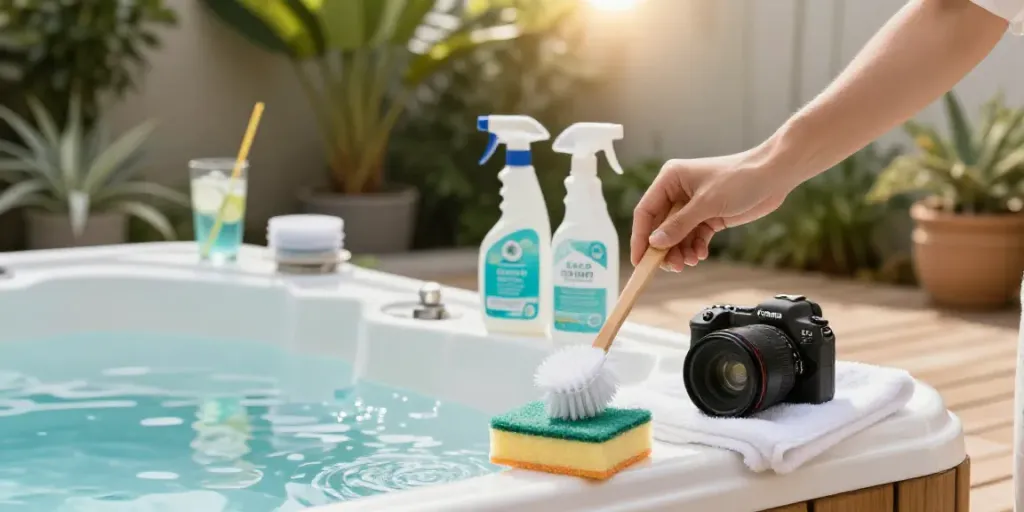
To effectively maintain your spa, you'll need a range of cleaning supplies. Below is a list of essential items:
- Scrub Brushes: For removing stubborn stains and dirt from surfaces.
- Vacuum Cleaners: Specifically designed for pools and spas to eliminate debris.
- Cleaning Solutions: Choose non-abrasive, pH-balanced cleaners to avoid damaging surfaces.
- Protective Gloves and Goggles: Essential for personal safety when handling chemicals.
- Filter Cleaner: For maintaining and cleaning the spa filter effectively.
Eco-Friendly Options
When it comes to spa cleaning, many owners are seeking eco-friendly alternatives. Here are some effective options:
- Natural Cleaning Agents: Vinegar and baking soda can effectively clean surfaces and eliminate odors.
- Biodegradable Products: Look for cleaning supplies that do not contain harsh chemicals.
- Water Conservation Methods: Consider methods that minimize the amount of water used during cleaning.
Choosing the Right Tools for Your Spa
Selecting the proper tools for cleaning your spa is crucial for effectiveness and efficiency. Consider the spa's size, the materials used in its construction, and your specific cleaning needs. A well-equipped cleaning kit tailored to your spa can make the maintenance process more straightforward and efficient.
Step-by-Step Spa Cleaning Process
Draining and Refilling the Spa
Draining is one of the most critical steps in the cleaning process. It's essential to do this at least every three to four months, or more frequently if the spa is used heavily. Here’s a simple guide:
- Turn Off the Power: Always ensure the spa is powered down before starting.
- Drain the Water: Use the spa's drainage valve or a submersible pump for efficient draining.
- Clean the Shell: After draining, scrub the shell using a non-abrasive brush and cleaning solution.
- Rinse Thoroughly: Rinse the interior thoroughly to remove all cleaning agents before refilling.
- Refill the Spa: Once cleaned, refill the spa with fresh water and add necessary chemicals.
Cleaning Techniques for Different Spa Materials
Different spa materials require different cleaning techniques:
- Vinyl: Use mild cleaners and soft cloths to avoid scratches.
- Acrylic: Non-abrasive pads and specialized acrylic cleaners are best.
- Wooden Spas: Opt for wood-friendly cleaners and avoid excess moisture.
How to Safely Clean Filters
Filters are essential for maintaining water clarity and safety. Here’s how to clean them effectively:
- Remove the Filter: Carefully take it out according to the manufacturer’s instructions.
- Rinse with Water: Use a hose to remove debris and dirt.
- Soak If Necessary: For a deeper clean, soak in a filter cleaner solution for a few hours.
- Dry and Reinstall: After rinsing, let the filter dry completely before reinstalling it back into the spa.
Best Practices for Spa Care
Frequency of Cleaning and Maintenance
How often you clean your spa depends on usage. For regular users, maintenance should be performed every one to two weeks. Here are some guidelines:
- Weekly: Check and balance water chemistry, clean the surface, and inspect filters.
- Monthly: Perform a deep clean, drain and refill, and check for any wear and tear.
- Quarterly: Replace any worn-out parts and conduct an overall inspection of the spa system.
Preventative Measures to Avoid Issues
Preventive measures can save you from extensive cleaning and repairs down the line. Consider these strategies:
- Regular Chemical Balancing: Ensure pH, alkalinity, and sanitizer levels are within the ideal range.
- Covering the Spa: Use a cover when not in use to keep debris out and maintain heat.
- Monitor Water Levels: Ensure the water level is appropriate, as skimming can disrupt circulation.
Signs That Your Spa Needs Professional Help
While many spa owners can handle basic maintenance, certain signs indicate that it may be time to call in professionals:
- Unusual Odors: Persistent bad smells can signal deeper issues.
- Cloudy Water: If your water remains cloudy despite regular maintenance, it might require expert attention.
- Equipment Noise: Unusual noises from the pump or heater can signal mechanical issues.
Future Trends in Spa Cleaning & Maintenance
Emerging Products for Enhanced Cleaning
The spa cleaning market is evolving rapidly, with innovative products designed to make maintenance easier and more efficient.
- Automated Cleaning Robots: Robots that can autonomously clean spa surfaces are beginning to hit the market.
- Smart Water Monitoring Systems: These devices provide real-time data and alerts for water chemistry.
- Eco-Friendly Cleaning Solutions: More products are becoming available that prioritize environmental safety while being highly effective.
Technology Innovations in Spa Care
As technology advances, so does the spa care industry. Key innovations influencing spa maintenance include:
- Mobile Apps: Applications that assist in tracking maintenance schedules and water quality.
- IoT Integration: Internet of Things (IoT) devices that connect to spas for better monitoring.
- UV Water Purification: Technology that uses UV light to eliminate contaminants without chemicals.
Predictions for Spa Maintenance in 2026
Looking ahead, we can expect several notable trends in spa maintenance:
- Increased Automation: Tools that require less manual input will become prevalent.
- Greater Emphasis on Health: As health concerns rise, sanitization will be prioritized more than ever.
- Customization of Maintenance Programs: Spa owners will pursue tailored maintenance strategies based on individual usage.
How Often Should a Spa Be Drained and Cleaned?
It is generally recommended to drain and clean your spa every three to four months. However, this frequency may vary based on usage, environmental factors, and the volume of bathers. Always monitor water quality and adjust your schedule if necessary.
What Cleaning Supplies are Best for Hot Tubs?
For hot tubs, choose cleaning supplies that are specifically designed for your spa's material. Look for products that are biodegradable, non-toxic, and effective at removing scale and body oils.
How to Maintain Water Quality in Your Spa?
Maintain water quality by regularly testing pH levels, alkalinity, and sanitizer levels. Ensure the water is balanced, use a shock treatment after heavy use, and regularly clean and replace filters.
What Are the Most Common Mistakes in Spa Care?
Common mistakes include neglecting regular maintenance, using inappropriate cleaning products, and failing to monitor water chemistry. Avoid these pitfalls by developing a consistent care routine.
Can I Use Household Cleaners on My Spa?
While some household cleaners may be safe, it's generally advisable to use products specifically designed for spas and hot tubs. For more information, Part Replacements & Repair in Sydney offers valuable insights. Household cleaners can contain ingredients that can damage the spa's surfaces or lead to chemical imbalances.