Understanding Mini Split AC Units
As the demand for energy-efficient cooling solutions rises, mini split AC units have emerged as a popular choice for homeowners and business operators alike. Offering a blend of comfort, versatility, and minimal intrusion, these systems not only manage indoor climate effectively but also help in reducing energy costs. When exploring options, mini split ac unit provides comprehensive insights into features, installation, and long-term benefits, making them a worthwhile consideration for modern climate control.
What is a Mini Split AC Unit?
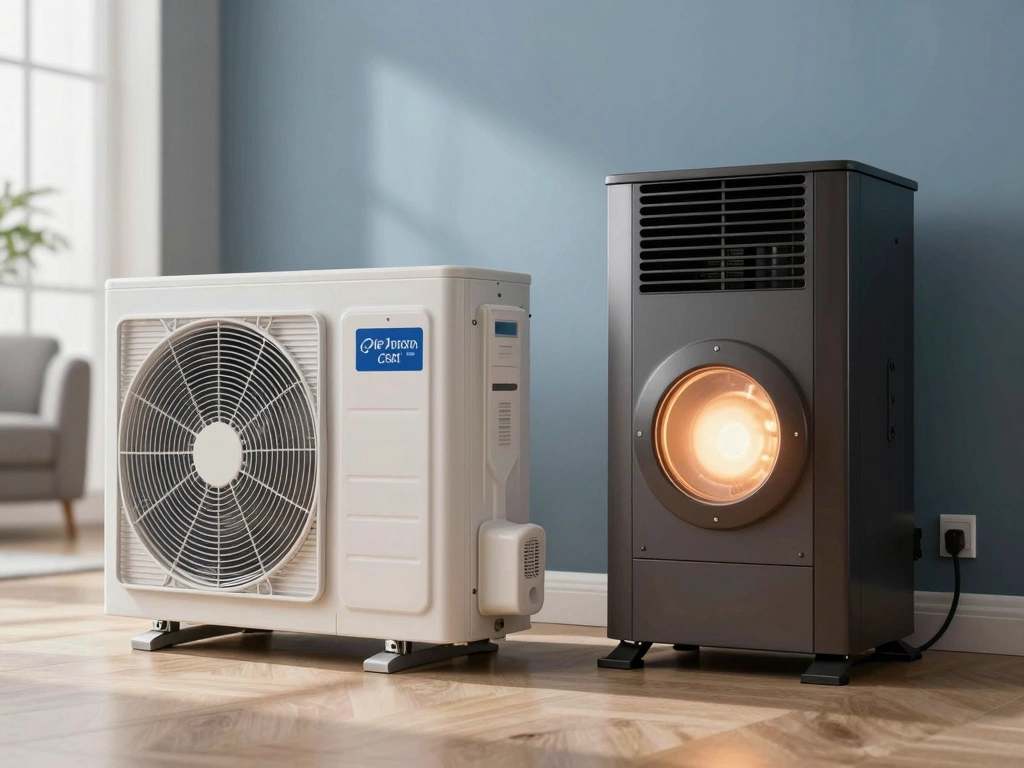
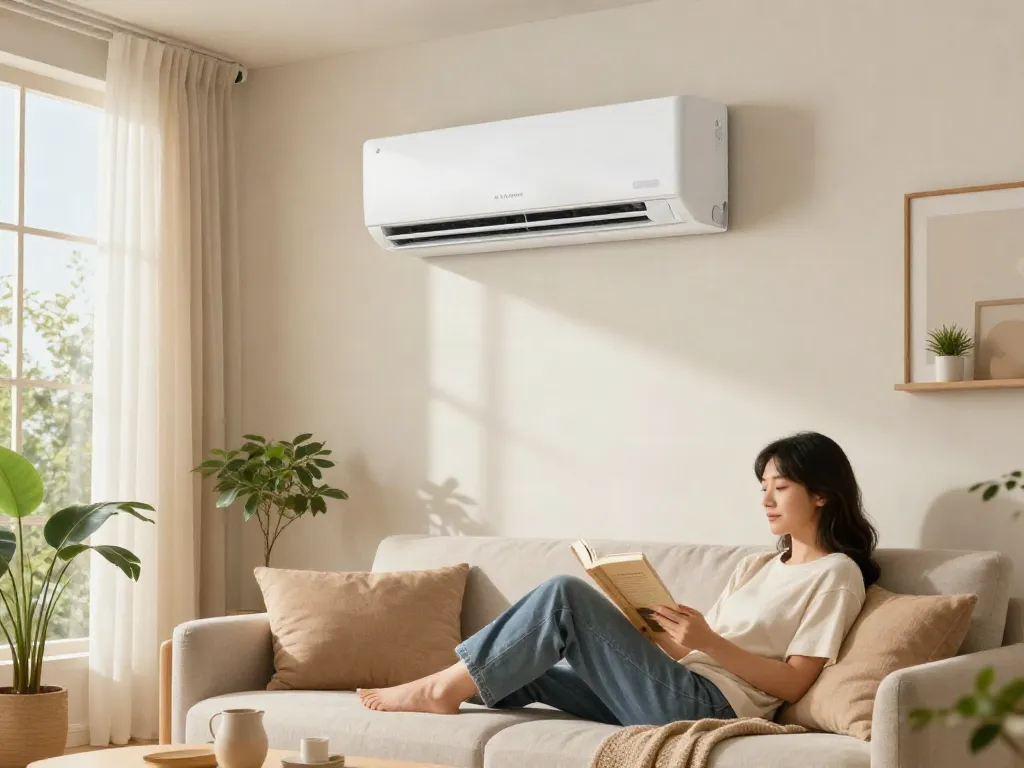
A mini split AC unit is a type of ductless air conditioner that is designed for efficient heating and cooling of individual rooms or specific areas within a building. Unlike traditional HVAC systems that rely on extensive ductwork, mini splits consist of an outdoor compressor and one or more indoor air-handling units, which can be mounted on walls or ceilings. This innovative design allows for more flexible installation, better zoning capabilities, and ultimately increased energy efficiency. They are particularly favored for older homes without existing duct systems and for new constructions where energy efficiency is a priority.
How Mini Split Systems Work
Mini split systems operate on the principle of heat transfer. The outdoor unit extracts heat from the outside air and transfers it to the indoor unit, where it is released into the designated area. In cooling mode, the process reverses: the indoor unit absorbs heat from the air inside and transfers it to the outdoor unit. This heat exchange process is powered by a refrigerant, which circulates through the system, allowing it to achieve efficient temperature regulation. The units are equipped with advanced technology, such as inverters, which help to modulate the compressor speed, ensuring consistent comfort without excessive energy consumption.
Benefits of Using Mini Split AC Units
- Energy Efficiency: Mini splits are known for their high energy-efficiency ratings, helping to lower electricity bills significantly compared to traditional systems.
- Zone Control: With the ability to control temperatures in multiple areas independently, mini splits provide customized comfort for different rooms.
- Quiet Operation: These units operate at lower sound levels, enhancing indoor comfort without disruptive noise.
- Easy Installation: Because they don’t require ductwork, installation is often simpler and less invasive than traditional systems.
- Heating and Cooling Flexibility: Many mini split models offer both heating and cooling capabilities, making them versatile for year-round climate control.
Choosing the Right Mini Split AC Unit
When selecting a mini split AC unit, it's essential to consider various factors that will impact performance, efficiency, and overall satisfaction. Understanding the key features available can empower you to make an informed decision tailored to your specific requirements.
Key Features to Consider
- BTU Rating: Choose a unit with an appropriate British Thermal Unit (BTU) rating that matches your room size for optimal performance without energy waste.
- SEER Rating: Look for models with a high Seasonal Energy Efficiency Ratio (SEER) for better energy efficiency and lower operating costs.
- Multi-Zone Capability: If cooling multiple rooms, select a multi-zone system that can handle several indoor units connected to a single outdoor unit.
- Smart Features: Consider units equipped with smart technology for remote access, programmable schedules, and compatibility with home automation systems.
- Noise Levels: Assess noise ratings, as quieter models can significantly improve comfort, especially in bedrooms or working spaces.
Top Brands of Mini Split AC Units in 2026
The market for mini split AC units continues to evolve, with several brands leading the charge in innovation and customer satisfaction. In 2026, notable brands include:
- Daikin: Renowned for their cutting-edge technology and reliability, Daikin mini splits offer a variety of models suitable for various applications.
- Mitsubishi: A top choice for homeowners, Mitsubishi units are known for their energy efficiency and extensive range of features.
- LG: With sleek designs and user-friendly interfaces, LG models combine aesthetics and performance effectively.
- Fujitsu: Offering robust performance and durability, Fujitsu mini splits are ideal for extreme climates.
- Samsung: Recognized for their smart technology integration, Samsung mini splits cater to the modern user's needs.
Comparative Analysis of Mini Split Models
Investing in a mini split AC unit involves comparing various models to find the best fit. Factors to consider include energy consumption, initial costs, warranty provisions, and customer reviews. Many models now feature inverter technology, which enhances efficiency and comfort by adjusting cooling output based on the room's current temperature needs. A comparative matrix can aid in visualizing your options, highlighting key differences in performance, energy use, and pricing among leading brands.
Installation and Maintenance Tips
Proper installation and maintenance are crucial for maximizing the lifespan and efficiency of your mini split AC unit. Understanding installation options and maintenance practices can lead to enhanced performance and reduced repair costs over time.
DIY Installation vs. Professional Installation
While DIY installation of mini split systems is an option for some savvy homeowners, professional installation is often recommended for optimal performance. Professionals ensure that the unit is correctly sized, installed according to local codes, and fully optimized for performance. This can prevent potential issues that arise from improper installation, such as refrigerant leaks or energy inefficiencies.
Regular Maintenance Practices for Longevity
Maintaining your mini split AC unit involves several practices to ensure it remains in peak condition:
- Filter Cleaning: Regularly clean or replace air filters to avoid clogging, which can hinder airflow and efficiency.
- Coil Cleaning: Ensure that indoor and outdoor coils are free from dust and debris to maintain optimal heat exchange capabilities.
- Check Drain Lines: Inspect condensate drain lines for blockages to prevent overflow and water damage.
- Annual Professional Maintenance: Schedule professional inspections at least once a year to spot potential issues before they escalate.
Common Installation Mistakes to Avoid
Even with DIY installations, there are common pitfalls to avoid:
- Inadequate Sizing: Selecting an incorrectly sized unit can lead to inefficiencies and uncomfortable temperatures.
- Poor Location Choice: Installing the indoor unit in a location that obstructs airflow can drastically reduce effectiveness.
- Neglecting Electrical Requirements: Failing to meet electrical demands can lead to system failures or safety hazards.
- Ignoring Local Codes: Ensure compliance with local building codes and regulations to avoid potential fines or safety issues.
Performance and Efficiency Ratings
Understanding how to assess performance and efficiency ratings can greatly influence your mini split AC unit choice. Various metrics play a role in determining how effective a unit will be in practice.
Understanding BTUs and Energy Efficiency Ratios
British Thermal Units (BTUs) measure a system's cooling capacity; generally, the higher the BTU, the larger the area that can be cooled effectively. Always match the BTU rating with the size of your space to ensure efficient operation. Energy Efficiency Ratios (EER) and Seasonal Energy Efficiency Ratios (SEER) indicate how efficiently an AC unit uses energy. Higher ratios suggest better efficiency, leading to lower utility bills.
Real-World Performance of Mini Split AC Units
Real-world performance data can provide insights into how mini split units perform under various conditions. User reviews, expert ratings, and independent testing can illuminate potential areas for concern or highlight particularly reliable models. Many units excel in key metrics such as cooling speed, noise levels, and energy consumption, ensuring that you receive comfort without excessive use of energy.
Comparing Costs and Energy Savings Over Time
When analyzing the cost-effectiveness of mini split AC units, consider the initial purchase price alongside long-term savings. While the upfront cost may be higher than traditional systems, the energy efficiency and lower operating costs often lead to significant savings over time. Calculate the return on investment (ROI) through energy savings to justify the purchase, especially in the context of rising energy costs.
Future Trends in Mini Split AC Technology
The evolution of mini split AC technology is an exciting journey that holds promise for even more efficient and sophisticated home climate control solutions in the coming years. Key trends are emerging as we look ahead to 2026.
Emerging Innovations in 2026
As the market evolves, innovations such as variable refrigerant flow (VRF) technology, advanced heat exchange techniques, and energy recovery ventilators (ERVs) are gaining traction. These technologies improve efficiency, reduce operational costs, and enhance user comfort by allowing greater flexibility in cooling and heating.
Smart Technology Integration in Mini Split Systems
The integration of smart technology into mini split systems is transforming how users interact with their HVAC systems. Voice-activated controls, smartphone apps, and smart thermostats enable greater control over indoor climates, monitoring energy usage, and scheduling operation based on occupancy.
Environmental Impact and Sustainability Considerations
With a growing emphasis on sustainability, manufacturers are designing mini split systems with eco-friendly refrigerants and energy-efficient components. These improvements contribute to reduced carbon footprints and align with global initiatives focused on combating climate change.
What Are the Disadvantages of Mini Split Systems?
Despite their numerous advantages, mini split systems come with some drawbacks. They may have higher upfront costs than conventional systems, and aesthetic considerations regarding the visibility of indoor units can be a concern for some homeowners. Additionally, improper installation may lead to inefficiencies, and regular maintenance is essential for optimal performance.
Are Mini-Split AC Units Worth It?
Evaluating whether mini-split AC units are worth the investment ultimately depends on your specific needs, preferences, and budget. For many homeowners, the combination of energy efficiency, flexibility, and advanced features justifies the cost, particularly in areas with extreme seasonal temperatures.
How Much Does It Typically Cost to Install a Mini Split?
Installation costs for mini split systems can vary significantly based on factors such as the number of zones, unit capacity, and regional labor rates. On average, homeowners might spend between $2,000 and $5,000, including units and installation. It's vital to obtain quotes from multiple contractors to ensure competitive pricing and quality installation.