Understanding Smart Ceiling Speakers
As technology advances, our interaction with sound has transformed, leading to the rising popularity of smart ceiling speakers, or as they are known in Persian, اسپیکر سقفی. These devices are not only designed to provide immersive sound experiences but also integrate seamlessly into smart home ecosystems. This article explores what smart ceiling speakers are, how they function, and the benefits they offer to homeowners and commercial establishments alike.
What are اسپیکر سقفی?
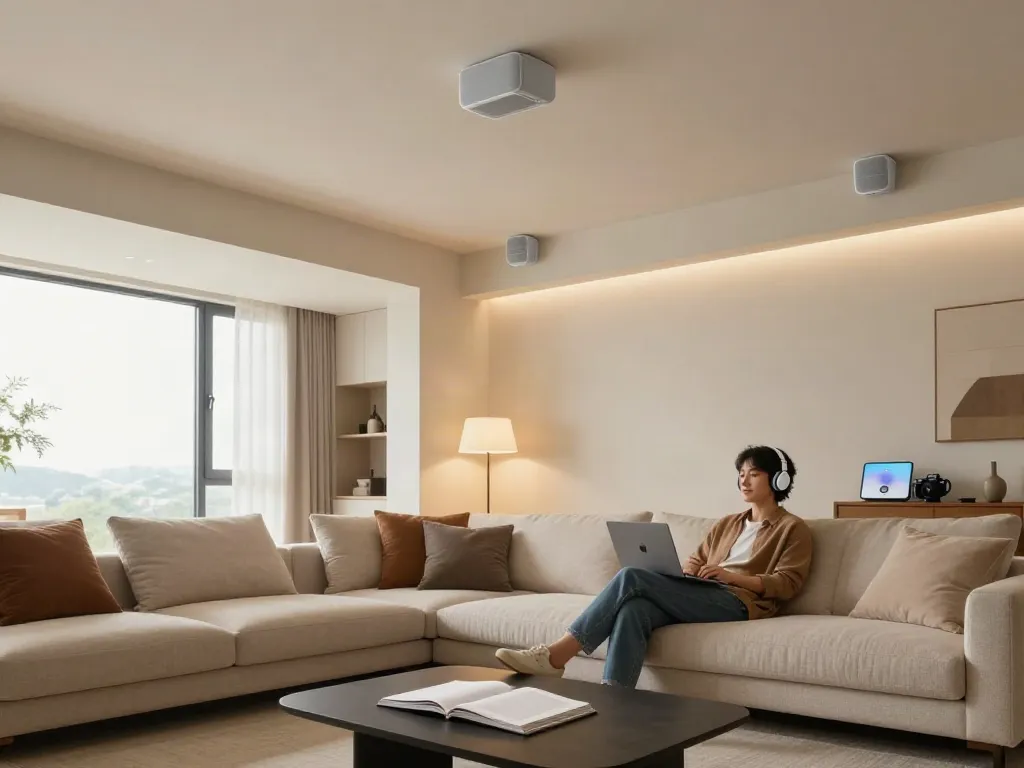
Smart ceiling speakers are audio devices specifically designed to be mounted on ceilings. Unlike traditional speakers that often take up valuable floor or shelf space, these speakers are discreetly installed, allowing for a clean aesthetic. They come equipped with advanced features such as wireless connectivity, voice control compatibility, and integration with home automation systems. The primary function is to deliver high-quality sound throughout a room without the bulkiness of conventional speakers.
How Do Smart Ceiling Speakers Work?
Smart ceiling speakers operate through various audio technologies. Most models connect via Wi-Fi or Bluetooth, enabling users to stream music directly from devices like smartphones, tablets, or computers. Furthermore, many options come with built-in amplifiers, which help optimize audio output without requiring extensive additional equipment. This integration allows for a user-friendly experience, where sound can be controlled remotely or through voice commands linked to smart home devices such as Amazon Alexa or Google Assistant.
Benefits of Using Smart Ceiling Speakers
The advantages of smart ceiling speakers are numerous. Firstly, their installation helps maximize space efficiency. Secondly, they provide a clean look that integrates well with modern decor. Moreover, many of these speakers feature surround sound capabilities, enhancing audio experiences for movies and music. The ability to control these devices through smart home systems greatly adds to their convenience, allowing for sound adjustments based on user preference or atmospheric changes.
Types of Smart Ceiling Speakers
When considering smart ceiling speakers, it's essential to understand the various types available in the market. This categorization can significantly impact sound quality and installation preferences. Generally, they can be classified based on their power source, installation style, and connection type.
Active vs. Passive Smart Ceiling Speakers
One of the critical distinctions to make is between active and passive smart ceiling speakers. Active speakers contain built-in amplifiers and require only a power source to operate. This makes them straightforward to install, as there is no need for external audio equipment. Conversely, passive speakers need an external amplifier, which allows for flexibility in sound management but requires more complex installation due to the additional wiring and equipment.
Different Installation Types: Built-in vs. Surface-mounted
Installation of smart ceiling speakers can either be built-in or surface-mounted. Built-in speakers are designed to sit flush with the ceiling, offering a more seamless look but often requiring significant installation work, such as cutting and wiring. On the other hand, surface-mounted speakers are easier to install and can often be retrofitted into existing spaces without extensive construction, making them a flexible option for many homeowners.
Bluetooth vs. Wired Connection Options
When choosing a smart ceiling speaker, users must also consider the type of connection. Bluetooth connection options provide the convenience of wireless streaming, freeing users from the limitations of cables. However, wired connections typically offer superior sound quality and reliability, especially in professional audio setups. Each option has its advantages and considerations based on the specific needs of the user.
Choosing the Right Smart Ceiling Speaker
Selecting the right smart ceiling speaker can be overwhelming given the variety of options available. However, understanding the essential features and matching them to specific needs can simplify the decision-making process.
Key Features to Consider
- Sound Quality: Look for speakers with good frequency response and sound clarity.
- Power Output: Consider the wattage of the speaker; higher wattage typically means louder and clearer sound.
- Connectivity Options: Ensure the speaker supports your preferred connection method, be it Bluetooth, Wi-Fi, or wired.
- Size and Design: Choose a design that complements your interior while considering the size of the speakers based on your room space.
Matching Speakers to Room Size and Purpose
It’s crucial to match the specifications of your chosen speakers with the size and purpose of the room. For larger spaces, consider higher wattage speakers or multiple units to ensure even sound distribution. In smaller rooms, more compact models may suffice without compromising quality.
Popular Brands and Models to Look For in 2026
As technology progresses, several brands have carved out reputations for producing high-quality smart ceiling speakers. Brands like Yamaha, Novox, and FG offer reliable models that cater to various needs, from personal home theaters to professional audio installations. Following trends and reviews can help identify which models stand out in the current market.
Installation of Smart Ceiling Speakers
Proper installation is key to maximizing the performance of smart ceiling speakers. Homeowners can choose between DIY installation or hiring professionals, each with its benefits and challenges.
DIY Installation vs. Hiring Professionals
While many homeowners opt for DIY installation of smart ceiling speakers to save costs, it’s essential to consider the complexity of the task. Professional installation ensures that the speakers are optimally placed and wired, maximizing sound quality. However, with proper guidance and tools, knowledgeable DIY enthusiasts can achieve satisfactory results.
Best Practices for Optimal Sound Quality
To achieve the best sound quality, it's recommended to follow these practices during installation:
- Install speakers evenly spaced across the ceiling for balanced sound distribution.
- Avoid placing speakers directly against walls to minimize sound reflection and distortion.
- Test positions before securing to find the most effective locations based on acoustic properties.
Common Mistakes to Avoid During Installation
Avoid common pitfalls such as improper speaker placement, overlooking the quality of materials used, or neglecting necessary tools for installation. Proper planning and following guidelines can prevent costly mistakes.
Future Trends in Smart Ceiling Speakers
The future of smart ceiling speakers looks promising as technology continues to evolve. Emerging features are making these audio devices even more appealing to consumers.
Emerging Technologies for Enhanced Audio Experience
Advancements in audio technology, such as spatial audio and improved wireless protocols, are set to enhance the listening experience from smart ceiling speakers. Technologies enabling better integration with other smart home devices are emerging as key future trends.
Integration with Smart Home Systems
As homes become increasingly connected, the integration of smart ceiling speakers with home automation systems will become more sophisticated. This integration will allow for seamless control of sound environments, catering to user preferences effortlessly.
Predictions for 2026 and Beyond
By 2026 and beyond, we can expect smart ceiling speakers to offer even more advanced functionalities, including intuitive AI-driven controls and more comprehensive multizone audio management, which will redefine our auditory environments.